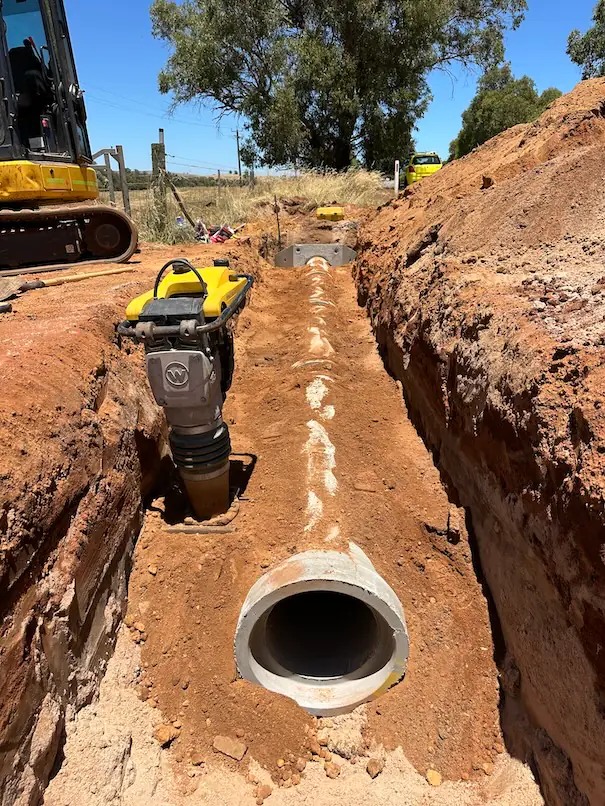
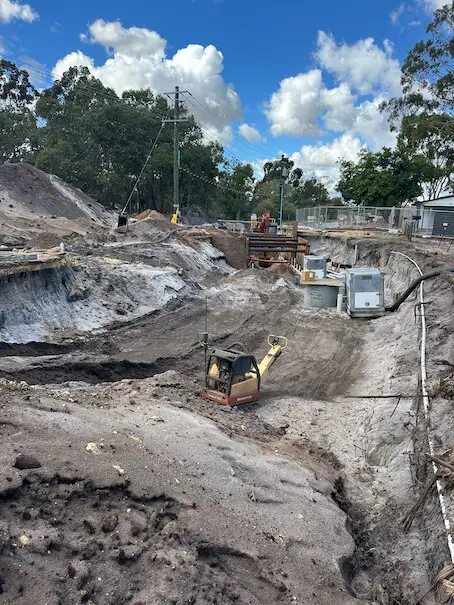
Inductions, journey management and permit timing — how USCM keeps workplace health and safety tight when civil work moves onto remote and mine sites.
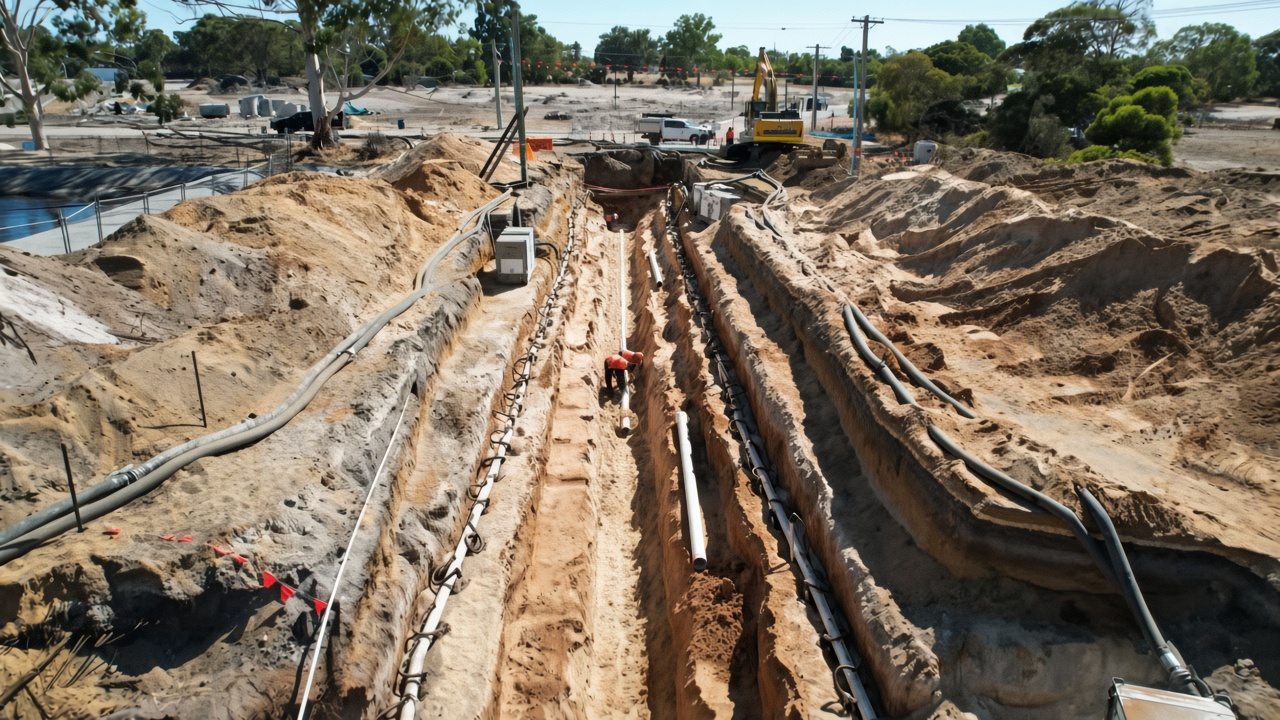
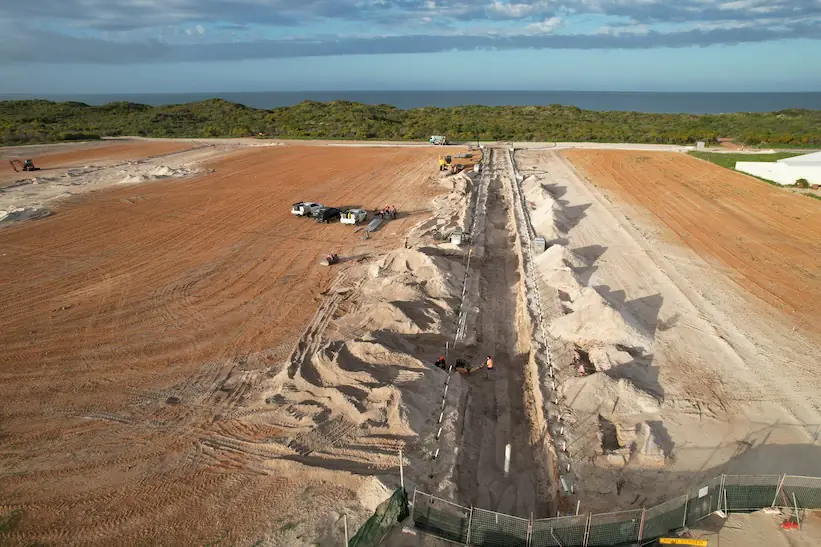
Remote and mining environments raise the stakes. Fatigue, journey management, site access and owner permits sit beside the same trench and plant risks as metro work. A long drive to site does not reduce the need for clear controls. It increases it.
Ready before mobilisation
USCM lines inductions, SWMS and task permits up with the owner or tier-one contractor before the crew leaves. People arrive ticketed, briefed and clear on site rules. Critical permits and isolation points are booked into the schedule so the civil work is not waiting on paperwork in the middle of the day.
Journey plans, fatigue limits and camp or drive-in arrangements are treated as part of the job, not travel admin. A tired operator is a site risk, whether the machine is in Perth or on a remote pad.
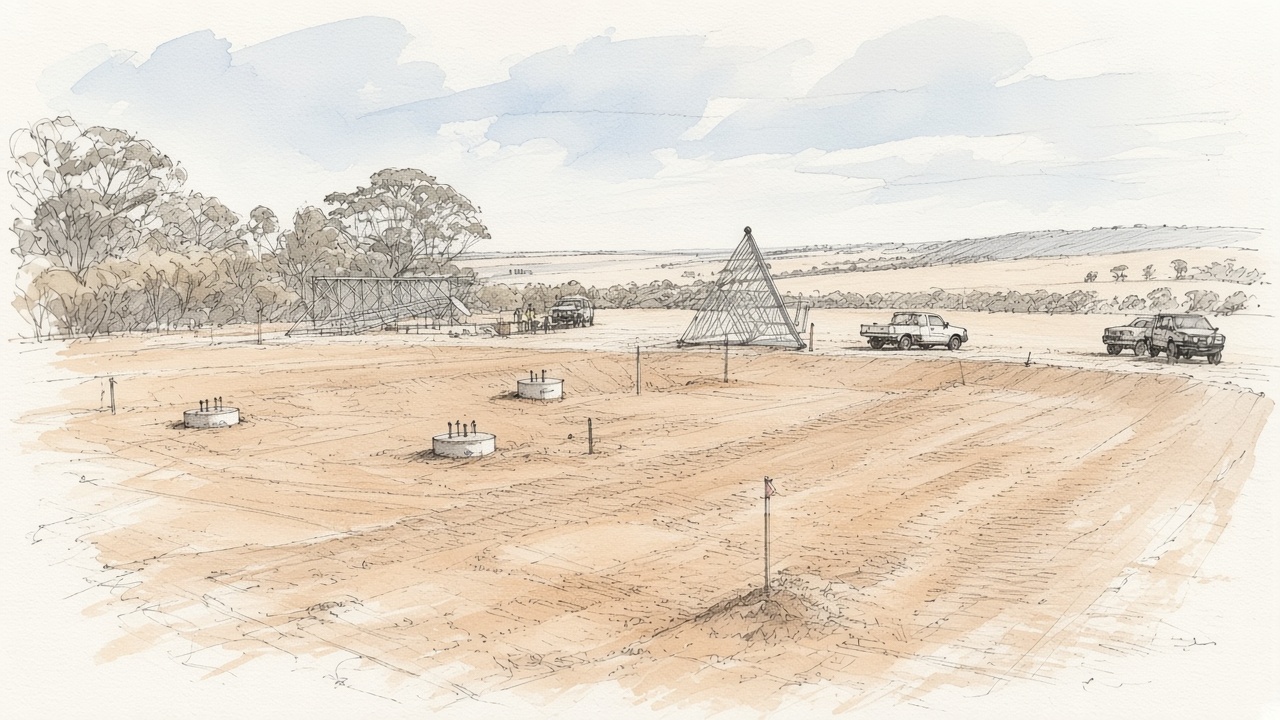
The same system, further from home
Incident reporting and close-out stay tight when the site is hours from the office. Near misses are treated as learning. Supervisors own the controls for wet ground, deep excavation and live services the same way they would on a subdivision. Distance is not a reason to thin the system out.
What zero harm means out there
On remote work, zero harm is the same safety management system, the same SWMS and the same daily discipline, applied where the margin for error is smaller and the logistics are harder. Crews go home. The asset is left in a state the owner can accept.
Back to blog